Museum-Grade Canvas vs Regular Poster: Is the Price Difference Worth It?
You find a poster you love for ₹500. Then you see a canvas version of a similar artwork priced several times higher. Both look attractive online, so why pay more?
The answer depends on the quality of the print, the materials used, where you plan to display it, and how long you want to keep it. A regular poster can be an excellent choice for a student room, rental home, or temporary space. A well-made canvas print, on the other hand, can offer a textured finish and a more substantial presentation for a long-term interior.
Neither option is automatically better. The important thing is understanding what you are paying for before making a purchase.
In this guide, we compare museum-grade canvas vs regular poster prints to help you decide which option offers better value for your home, office, or commercial space.
Museum-Grade Canvas vs Regular Poster: What's the Difference?
The biggest difference is the material used to print the artwork and how the finished piece is presented. Posters are generally printed on paper, while canvas prints use a woven surface that can be stretched over a frame.
| Feature | Regular poster | Museum-grade canvas |
|---|---|---|
| Printing surface | Paper | Woven canvas |
| Appearance | Usually smooth | Textured, depending on the canvas |
| Presentation | Often framed or mounted separately | Can be stretched over a frame or framed |
| Initial cost | Usually lower | Usually higher |
| Replacement cost | Generally lower | Can be higher |
| Best suited to | Budget decor and temporary spaces | Long-term displays and statement artwork |
| Longevity | Depends on paper, inks, light, and care | Depends on canvas, inks, construction, light, and care |
These are general differences. A high-quality paper print can look excellent, and a poorly produced canvas print may not justify its price. Always compare the specifications of the actual products.
What Does "Museum-Grade" Canvas Actually Mean?
The term museum-grade suggests a high standard, but it is not a single universal specification that guarantees a particular lifespan or level of quality.
To understand whether a canvas print is worth buying, look at three important factors: the canvas material, the printing inks, and the finishing.
1. Canvas Material
Canvas is a woven material commonly made from cotton, polyester, or a blend of both. Its texture gives artwork a different appearance from a smooth paper poster.

However, not all canvas materials have the same quality. The weave, weight, surface coating, and suitability for printing can affect the final result.
2. Printing Quality and Inks
The printer, ink type, colour management, and quality of the original image all influence how an artwork looks.
Some fine-art printing processes use pigment-based inks designed for good colour stability. Other printing methods may also produce attractive results, but their performance varies by product.
If you want artwork for long-term display, check whether the seller provides information about the inks, printing process, and lightfastness. Lightfastness refers to how well colours resist fading when exposed to light.
3. Finishing and Construction
The way a canvas print is stretched, mounted, or framed affects its final presentation. A neatly finished canvas can create a clean, ready-to-display look, while an appropriate frame can protect and complement the artwork.
The word "museum-grade" alone does not guarantee archival quality. If longevity matters, look for clear material and printing specifications rather than relying only on marketing terminology.
How Are Posters Made Differently from Canvas Prints?
A regular poster is generally printed on paper, which can range from lightweight stock to thicker, coated paper designed for sharper images and stronger colour reproduction.
Posters are often sold unframed, giving buyers the flexibility to choose their own frame, use a clip hanger, or display them with another suitable mounting method. This keeps the initial cost low and makes them easy to replace.

Canvas prints use a woven surface. Depending on the product, the printed canvas may be stretched over a wooden frame, mounted, or finished with a separate frame.
Museum-Grade Canvas vs Regular Poster: Why Canvas Is Worth the Investment
When buying wall art, the image is only one part of the decision. The material on which it is printed can influence how the artwork looks, feels, and fits into your home.
Regular posters are an affordable way to decorate a wall, but museum-grade canvas offers several advantages for people who want a more premium, finished, and lasting display. Its textured surface, substantial appearance, and versatile presentation make it an excellent choice for living rooms, bedrooms, offices, and other spaces where artwork deserves attention.
At TravelArty, we believe wall art should do more than fill an empty wall. It should bring character to a room and remain something you enjoy looking at for years. Here is why museum-grade canvas can be a better investment than a regular poster.
What Is the Difference Between Museum-Grade Canvas and a Regular Poster?
The main difference lies in the printing surface and the way the finished artwork is presented.
A regular poster is typically printed on paper. It can reproduce colours and fine details beautifully, but the paper surface may crease, tear, or develop visible wear if handled carelessly. Posters also commonly require separate framing or mounting to achieve a polished display.
Museum-grade canvas uses a canvas surface designed for fine-art printing. Depending on the product, it can provide a more textured appearance and a substantial finish that works particularly well for decorative artwork.
The term museum-grade is not a universal guarantee of quality or lifespan, so it is important to check the actual canvas, inks, printing specifications, and finishing methods.
For buyers who want wall art to become a central part of their interiors, a well-produced canvas print can offer a more complete and considered presentation than a basic paper poster.
Why Museum-Grade Canvas Is Better for Premium Wall Art
1. A Richer Texture That Adds Character
One of the most noticeable advantages of canvas is its surface.
Unlike the typically smooth finish of poster paper, canvas has a woven texture that can give printed artwork additional visual depth. This is especially appealing for landscapes, abstract compositions, architectural scenes, and travel-inspired artwork.
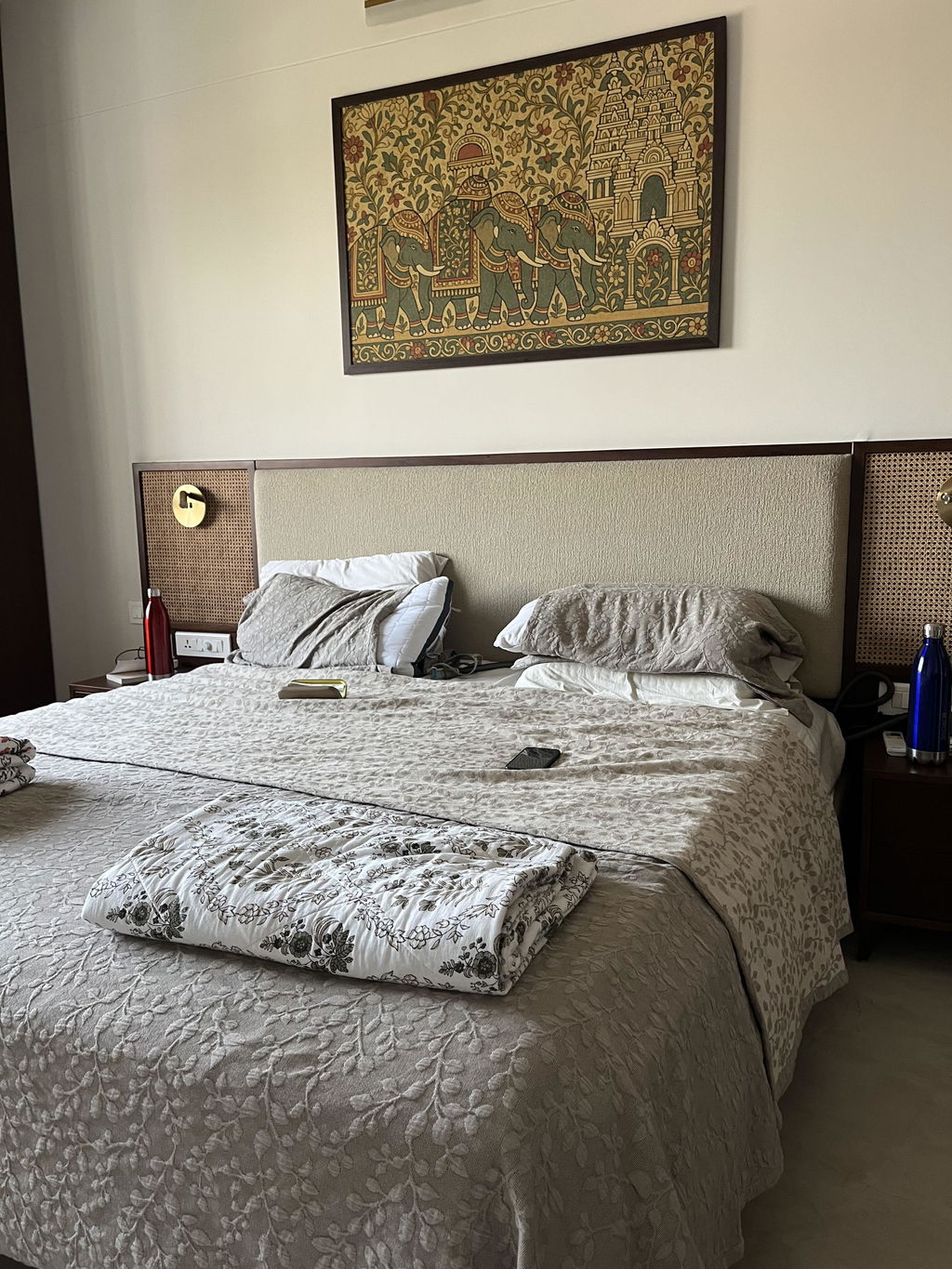
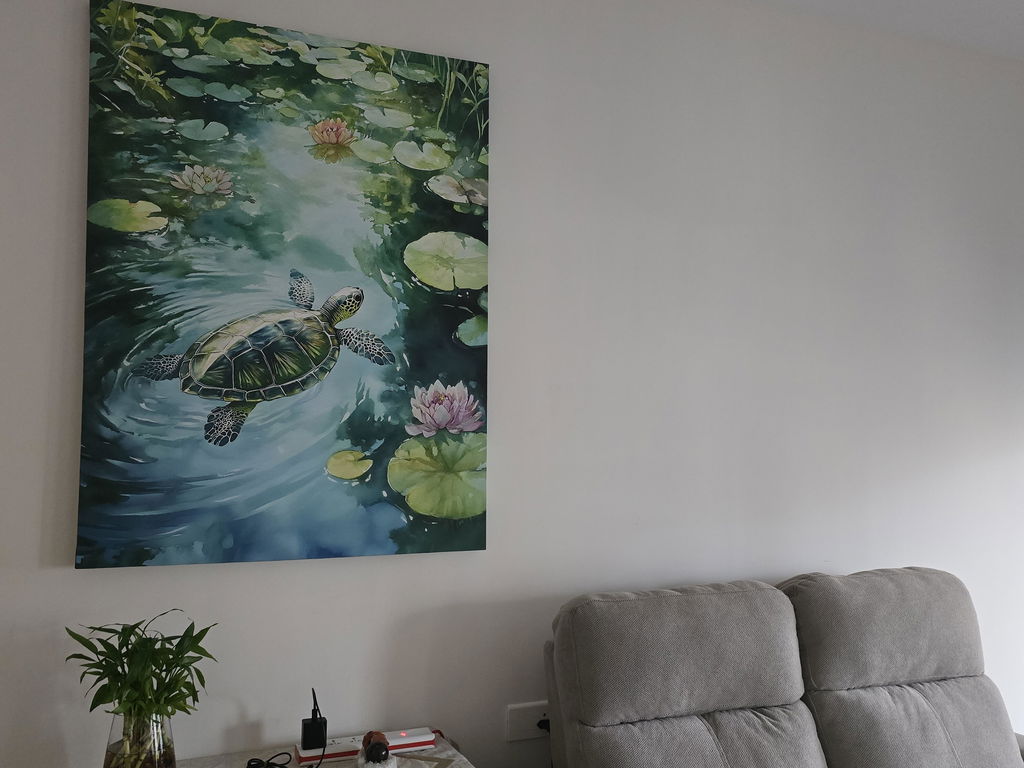
Imagine a misty mountain landscape above your living room sofa. On canvas, the textured surface adds another dimension to the artwork's presentation, making it feel more substantial as part of the room.
The texture does not automatically improve every image, and the effect depends on the printing process. However, for artwork intended to be displayed as a decorative centrepiece, canvas offers a distinctive finish that many buyers prefer.
2. A More Premium and Finished Appearance
A large poster can look attractive, but its presentation often depends on the frame, mounting, and paper quality. Without these details, it may look more like a temporary decorative print.
Canvas can create a more substantial display, particularly when professionally stretched over a suitable wooden frame or paired with an appropriate floating frame.
This makes it an excellent option for:
-
Living rooms where artwork acts as a focal point.
-
Bedrooms where you want a coordinated, finished look.
-
Offices and reception areas that need considered decor.
-
Hotels, cafes, and hospitality spaces where visual presentation matters.
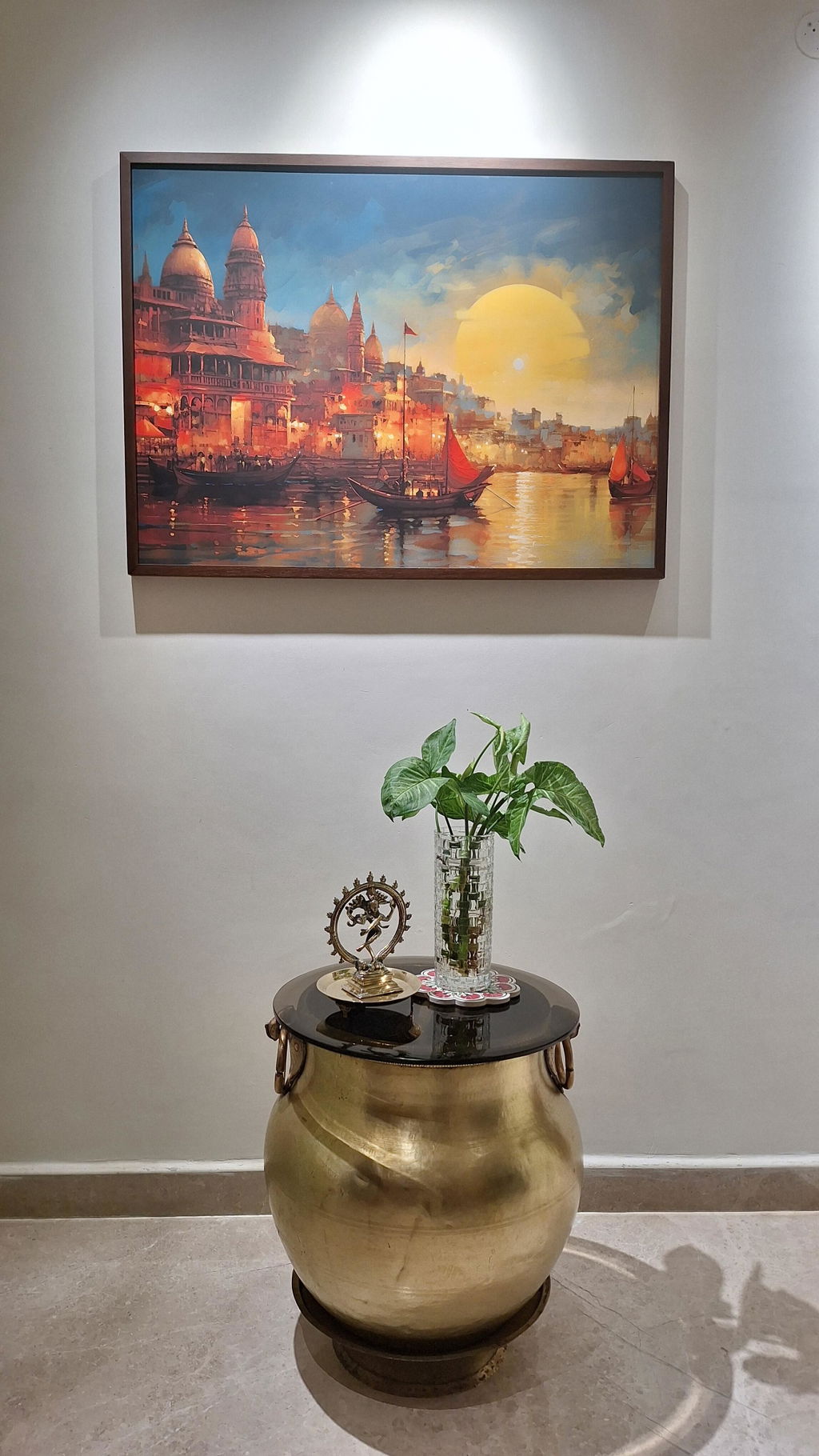
For example, a large canvas landscape above a sofa can anchor the seating area and connect the room's colours and furniture. The artwork feels like an intentional part of the interior rather than an accessory added later.
3. Better Resistance to Everyday Handling
Paper posters can be vulnerable to creasing, tearing, folded corners, and surface marks, particularly during handling, transportation, or installation.
A properly constructed canvas print can be more forgiving in some of these situations because the canvas surface is supported by a sturdier structure when stretched and mounted correctly.
This is an important advantage when choosing larger artwork or planning a long-term display.
However, canvas is not damage-proof. It can still be punctured, scratched, marked, or affected by moisture. Its durability depends on the canvas material, printing quality, mounting, and care.
For a piece you intend to display for years, choosing a well-made canvas with appropriate finishing can help reduce the practical concerns associated with handling a large paper print.
4. A Stronger Choice for Long-Term Interior Styling
Home decor is not always about buying the cheapest option. Sometimes, it is about choosing pieces that fit your space and that you will not feel the need to replace quickly.
Museum-grade canvas is worth considering when you are decorating a home you plan to live in for several years. It works particularly well for statement artwork, favourite landscapes, abstract paintings, and travel-inspired scenes that become part of your home's identity.
A carefully selected canvas can remain relevant even when you change your cushions, curtains, or smaller decorative accessories.
Longevity still depends on the materials used. High-quality inks, suitable canvas, appropriate finishing, and protection from prolonged direct sunlight all contribute to preserving the artwork.
If you are purchasing art as a long-term part of your interior, ask the seller for product-specific information rather than relying on the word "museum-grade" alone.
5. More Flexible Display and Framing Options
Canvas prints offer several presentation options, depending on how the artwork is produced.
A stretched canvas can provide a clean, contemporary appearance without requiring a conventional glass-fronted frame. A floating frame can add definition and create a more refined finish while allowing the canvas edges to remain visible.
Posters can also be framed beautifully, but framing adds to the overall cost and may require additional decisions about glazing, mounting, and frame style.
With canvas, you can often choose a presentation that suits the artwork and your interior from the outset.
At TravelArty, framed artwork and canvas finishes can be explored according to the look you want to create, whether that is a simple contemporary display or a more decorative focal point.
Always check the individual product listing to confirm whether stretching or framing is included.
Why Canvas Works Particularly Well for Large Wall Art
The larger the artwork, the more important its material and presentation become.
A small poster can be an easy way to decorate a study desk or a compact bedroom wall. But when you are selecting artwork for the space above a sofa, bed, or dining console, the finished presentation matters much more.
Large canvas artwork can create a strong visual anchor without the need for multiple smaller decorative pieces. Its surface texture and substantial construction can help the artwork feel proportionate to the surrounding furniture.
For example, a wide landscape above a living room sofa can bring together the room's neutral tones, wooden furniture, and soft furnishings. A large abstract canvas can introduce colour and movement into an otherwise understated space.
This is one reason canvas is particularly appealing for homeowners, interior designers, boutique hotels, and offices looking for statement wall art.
How to Care for Museum-Grade Canvas
Even premium canvas artwork needs appropriate care. A few simple precautions can help preserve its appearance.
-
Avoid prolonged direct sunlight: Strong sunlight can fade prints over time, regardless of the material.
-
Keep it away from moisture: Damp walls and humid environments can affect both the print and its supporting structure.
-
Handle it carefully: Avoid pressing, scratching, or placing heavy objects against the canvas surface.
-
Clean it appropriately: Follow the seller's care instructions and avoid applying cleaning liquids unless specifically recommended.
-
Choose a suitable location: Keep the artwork away from areas where it may be repeatedly knocked, splashed, or exposed to excessive heat.
Canvas is a worthwhile investment when the quality of the product is matched by proper display and care.
Frequently Asked Questions
Is museum-grade canvas better than a regular poster?
For premium wall art, canvas often offers advantages in surface texture, presentation, and display options. It can be stretched or framed for a substantial finish. A poster remains a practical choice when low cost and easy replacement are the main priorities.
Does museum-grade canvas last longer than a poster?
It can offer good long-term performance when made with suitable materials, stable inks, and appropriate finishing. However, lifespan depends on the specific product and display conditions. A well-made, properly framed paper print can also last for many years.
Why is canvas more expensive than a poster?
Canvas printing generally involves a different printing surface and may include stretching, mounting, or specialised finishing. These factors can increase the cost. Compare the material, print specifications, size, and included finishing to understand the price difference.
Does canvas artwork look more expensive?
Canvas can create a more substantial, fine-art-style appearance because of its texture and presentation. The final result also depends on the image, print quality, frame, and how the artwork is displayed.
Is canvas better for living room wall art?
Canvas is an excellent choice for living rooms, particularly when you want a large statement piece above a sofa or console. Its textured surface and available stretching or framing options can help create a cohesive interior. Framed posters can also work well, depending on your budget and preferred style.
Can canvas prints fade over time?
Yes. Canvas prints can fade when exposed to prolonged sunlight or when printed with less stable inks. Ask the seller about the inks, lightfastness information, protective treatments, and recommended care for the specific artwork.
Should I buy canvas or a poster for my bedroom?
Choose canvas if you want a substantial decorative piece that complements your bedroom furniture and is intended to remain on the wall. Choose a poster if you prefer affordable artwork that you can replace easily as your tastes change.
What should I check before buying museum-grade canvas online?
Check the canvas material, ink specifications, printing process, available sizes, stretching or framing details, care recommendations, and return policy. If a seller describes the product as archival or museum-grade, look for supporting technical information.
Final Verdict: Why Museum-Grade Canvas Is Worth Considering
A regular poster is useful for affordable decoration, but museum-grade canvas offers a compelling combination of texture, presentation, and flexible display options for premium wall art.
Its woven surface gives artwork a distinctive finish, while stretching and framing options can help create a polished display. With suitable materials, careful production, and proper care, canvas can be a strong choice for artwork you want to enjoy as part of your home for years.
At TravelArty, we believe artwork deserves a presentation that complements the image itself. If you are choosing a focal point for your living room, a landscape for your bedroom, or a statement piece for your office, explore our canvas wall art and compare the available sizes and finishes.
Because when artwork becomes part of your home, the way it is presented matters just as much as the image you choose.
You can also read;
Best wall art for small living rooms
What is the most popular wall art in 2026?
Nature wall art for living room