What separates a collectible painting from an expensive decoration?
Many people struggle to understand the difference between collectible art and decorative art. While both can be visually appealing and expensive, they serve very different purposes. In this article, we explore the key differences between collectible paintings and decorative artwork — including originality, artistic intent, emotional value, and long-term meaning — to help you choose art that truly matters.

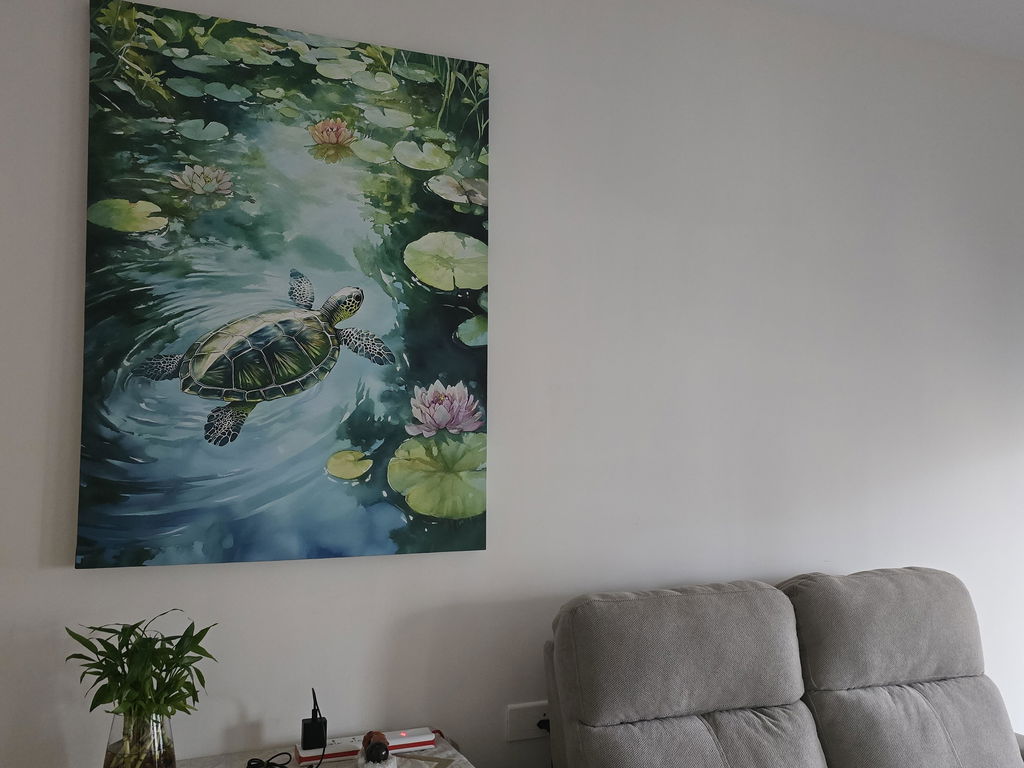
Organic Ascent by Bauhaus Ascents | Buy Bauhaus Abstract Art – TravelArty
In today’s design-driven and experience-focused world, art has become an essential part of modern living. Paintings are no longer limited to galleries or museums. They now exist in homes, cafés, offices, hotels, studios, and creative spaces.
Art shapes how we feel in a room, how long we stay there, and how deeply we connect with a space.
Yet one important question is rarely asked:
Is the artwork on the wall a collectible painting — or simply an expensive decoration?
Decorative Art — Designed to Fit In
Decorative art is created to support a space, not define it. Its purpose is visual balance. It is chosen to match furniture, wall colors, lighting, and current interior trends.
Decorative artworks are often selected quickly because they feel safe, familiar, and easy to place.
There is nothing wrong with decorative art. It can make a space feel complete, polished, and welcoming.
But decorative art is meant to blend in. It fills a wall — but rarely leaves a lasting impression.

Blue on Ochre by Mexico Majestica | Statement Art Painting – TravelArty
Collectible Painting — Created to Be Felt
A collectible painting exists for a very different reason.
It is not created to match a sofa or follow a trend. Instead, it carries emotion, thought, and intention. Every brushstroke, texture, and layer is part of a conscious artistic process.
Rather than fitting into a space, a collectible painting often becomes the center of the space.
Decoration pleases the eye.
Collectible art speaks to the soul.

Autumn Leaves by Textures of India | Buy Indian Art Online – TravelArty
Artistic Intent — The Core Difference
Artistic intent is what separates meaningful art from visual decoration.
When an artist creates a collectible painting, they are expressing an idea, an emotion, a personal experience, or a response to the world around them. The goal is expression — not mass appeal.
This intent gives the artwork depth. Even when viewers cannot fully explain what they see, they often feel something.
Decorative art is usually created for broad acceptance. To appeal to everyone, it often avoids risk — and loses individuality in the process.
The Artist’s Presence in the Artwork
A strong sign of a collectible painting is the visible presence of the artist within the work.
Collectors begin to recognize patterns — specific color palettes, forms, movements, or techniques that belong to one artist alone.
You are not just purchasing an object. You are connecting with a creative journey at a specific moment in time.
Decorative art, by contrast, is designed to remain anonymous. Its goal is harmony, not expression.
Originality vs Repetition
Collectible paintings are typically one-of-a-kind or part of a limited series. Even when an artist explores a similar theme, no two works are ever exactly the same.
This originality makes the artwork irreplaceable.
If a collectible painting is lost or damaged, it cannot truly be recreated. Its value lies in its originality — not just its appearance.
Decorative art, even when expensive, is often reproducible. Its value depends on how it looks, not on what it represents.
Emotional Value That Evolves
A collectible painting does not stay fixed in meaning.
The same artwork can feel calm on one day and intense on another. As your life changes, your emotional connection with the painting changes too.
This evolving relationship is what gives collectible art longevity.
Decorative art delivers instant visual satisfaction — but its emotional impact often fades over time.
Long-Term Value and Relevance
Collectible paintings often gain value over time — emotionally, culturally, and sometimes financially.
As memories and experiences attach themselves to the artwork, its meaning deepens rather than fades.
Decorative art usually follows trends. When styles change, it is often replaced.
Collectors think in years.
Decorators think in seasons.
Art as Identity in Spaces
In cafés, hotels, studios, and creative spaces, collectible art creates identity. It tells a story and builds atmosphere.
People remember spaces that feel authentic — not generic.
Decorative art looks good.
Collectible art creates experience.

Choosing Art With Awareness
Choosing between collectible art and decorative art is not about right or wrong.
Not every wall needs a collectible painting.
Not every space needs decoration.
But understanding the difference allows you to choose with intention — not impulse.
A collectible painting is not just something you hang.
It is something you live with.
Final Thought — What Will Still Matter Tomorrow?
The true value of art is not measured only in money.
It is measured in connection, emotion, and meaning.
So the next time you choose artwork, don’t just ask:
“Does this look good here?”
Ask instead:
“Will this still matter to me tomorrow, next year, and beyond?”
Decoration fills space.
Collectible art fills experience.
Let art be more than decoration.
Let it be a journey.
Just enjoy the journey.