Museum-Grade Canvas vs Regular Poster: Is the Price Difference Worth It?
You find a poster you love for ₹500. Then you see a canvas version of a similar artwork priced several times higher. Both look attractive online, so why pay more?
The answer depends on the quality of the print, the materials used, where you plan to display it, and how long you want to keep it. A regular poster can be an excellent choice for a student room, rental home, or temporary space. A well-made canvas print, on the other hand, can offer a textured finish and a more substantial presentation for a long-term interior.
Neither option is automatically better. The important thing is understanding what you are paying for before making a purchase.
In this guide, we compare museum-grade canvas vs regular poster prints to help you decide which option offers better value for your home, office, or commercial space.
Museum-Grade Canvas vs Regular Poster: What's the Difference?
The biggest difference is the material used to print the artwork and how the finished piece is presented. Posters are generally printed on paper, while canvas prints use a woven surface that can be stretched over a frame.
| Feature | Regular poster | Museum-grade canvas |
|---|---|---|
| Printing surface | Paper | Woven canvas |
| Appearance | Usually smooth | Textured, depending on the canvas |
| Presentation | Often framed or mounted separately | Can be stretched over a frame or framed |
| Initial cost | Usually lower | Usually higher |
| Replacement cost | Generally lower | Can be higher |
| Best suited to | Budget decor and temporary spaces | Long-term displays and statement artwork |
| Longevity | Depends on paper, inks, light, and care | Depends on canvas, inks, construction, light, and care |
These are general differences. A high-quality paper print can look excellent, and a poorly produced canvas print may not justify its price. Always compare the specifications of the actual products.
What Does "Museum-Grade" Canvas Actually Mean?
The term museum-grade suggests a high standard, but it is not a single universal specification that guarantees a particular lifespan or level of quality.
To understand whether a canvas print is worth buying, look at three important factors: the canvas material, the printing inks, and the finishing.
1. Canvas Material
Canvas is a woven material commonly made from cotton, polyester, or a blend of both. Its texture gives artwork a different appearance from a smooth paper poster.

However, not all canvas materials have the same quality. The weave, weight, surface coating, and suitability for printing can affect the final result.
2. Printing Quality and Inks
The printer, ink type, colour management, and quality of the original image all influence how an artwork looks.
Some fine-art printing processes use pigment-based inks designed for good colour stability. Other printing methods may also produce attractive results, but their performance varies by product.
If you want artwork for long-term display, check whether the seller provides information about the inks, printing process, and lightfastness. Lightfastness refers to how well colours resist fading when exposed to light.
3. Finishing and Construction
The way a canvas print is stretched, mounted, or framed affects its final presentation. A neatly finished canvas can create a clean, ready-to-display look, while an appropriate frame can protect and complement the artwork.
The word "museum-grade" alone does not guarantee archival quality. If longevity matters, look for clear material and printing specifications rather than relying only on marketing terminology.
How Are Posters Made Differently from Canvas Prints?
A regular poster is generally printed on paper, which can range from lightweight stock to thicker, coated paper designed for sharper images and stronger colour reproduction.
Posters are often sold unframed, giving buyers the flexibility to choose their own frame, use a clip hanger, or display them with another suitable mounting method. This keeps the initial cost low and makes them easy to replace.

Canvas prints use a woven surface. Depending on the product, the printed canvas may be stretched over a wooden frame, mounted, or finished with a separate frame.
This difference affects both appearance and presentation. Canvas often has a more tactile surface, while paper can provide a smooth finish that works particularly well for photographic images, graphic designs, and detailed illustrations.
One important point: canvas is not automatically superior in print quality. A good paper print can reproduce fine details exceptionally well. The right choice depends on the artwork, the materials, the printing method, and the finish you prefer.
Museum-Grade Canvas vs Regular Poster: Which Lasts Longer?
Longevity is one reason buyers consider canvas, but the material alone does not determine how long a print will remain in good condition.
A poster printed on suitable paper with stable inks can last for years when properly framed and protected. Lower-cost prints may be more susceptible to fading, discolouration, creasing, and physical damage.
A canvas print made with appropriate materials and inks can also offer good long-term performance. However, canvas can collect dust, become marked, or suffer damage from moisture and rough handling.
To help preserve either type of artwork:
-
Keep it away from prolonged direct sunlight.
-
Avoid damp walls and areas with frequent moisture.
-
Use suitable framing or mounting when appropriate.
-
Follow the seller's cleaning and care instructions.
-
Choose materials that match the intended display environment.
If you are purchasing artwork to enjoy for many years, better materials and careful finishing may justify a higher price. If you expect to change the artwork soon, spending more may offer little practical benefit.
When Is a Regular Poster the Smarter Choice?
A poster can be the better purchase when flexibility and affordability matter more than a premium finish.
Student Housing and Hostels
Student rooms often need affordable, easy-to-change decor. Posters allow you to personalise a room without spending a large amount on artwork you may not take to your next accommodation.
Rental Homes
If you move frequently or do not want to invest heavily in your current space, posters offer a low-cost way to change your interiors. Lightweight frames or removable hanging solutions may also be useful, depending on your rental agreement.
Temporary Offices and Commercial Spaces
For temporary offices, events, exhibitions, pop-up shops, or seasonal displays, posters can deliver the desired visual effect without a larger investment.
Changing Your Decor Frequently
If you enjoy updating your wall decor as trends, seasons, or personal preferences change, posters make experimentation more affordable.
Creating a Gallery Wall on a Budget
Several well-chosen posters can form an attractive gallery wall. Using consistent frames, balanced spacing, and a shared colour palette can make the arrangement feel deliberate without the expense of multiple canvas pieces.
Choosing a poster is not settling for less. It is a sensible decision when the product meets your needs and budget.
When Is Museum-Grade Canvas Worth the Investment?
Canvas becomes worth considering when you want artwork to play a lasting role in your interior.
For Living Rooms and Bedrooms
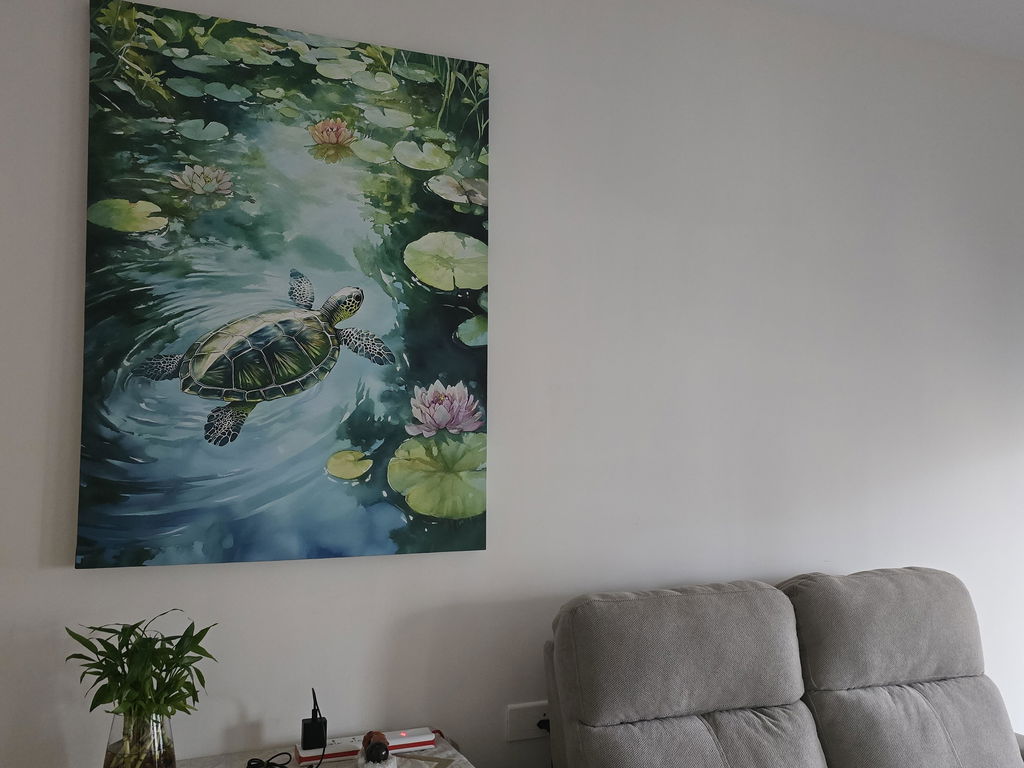
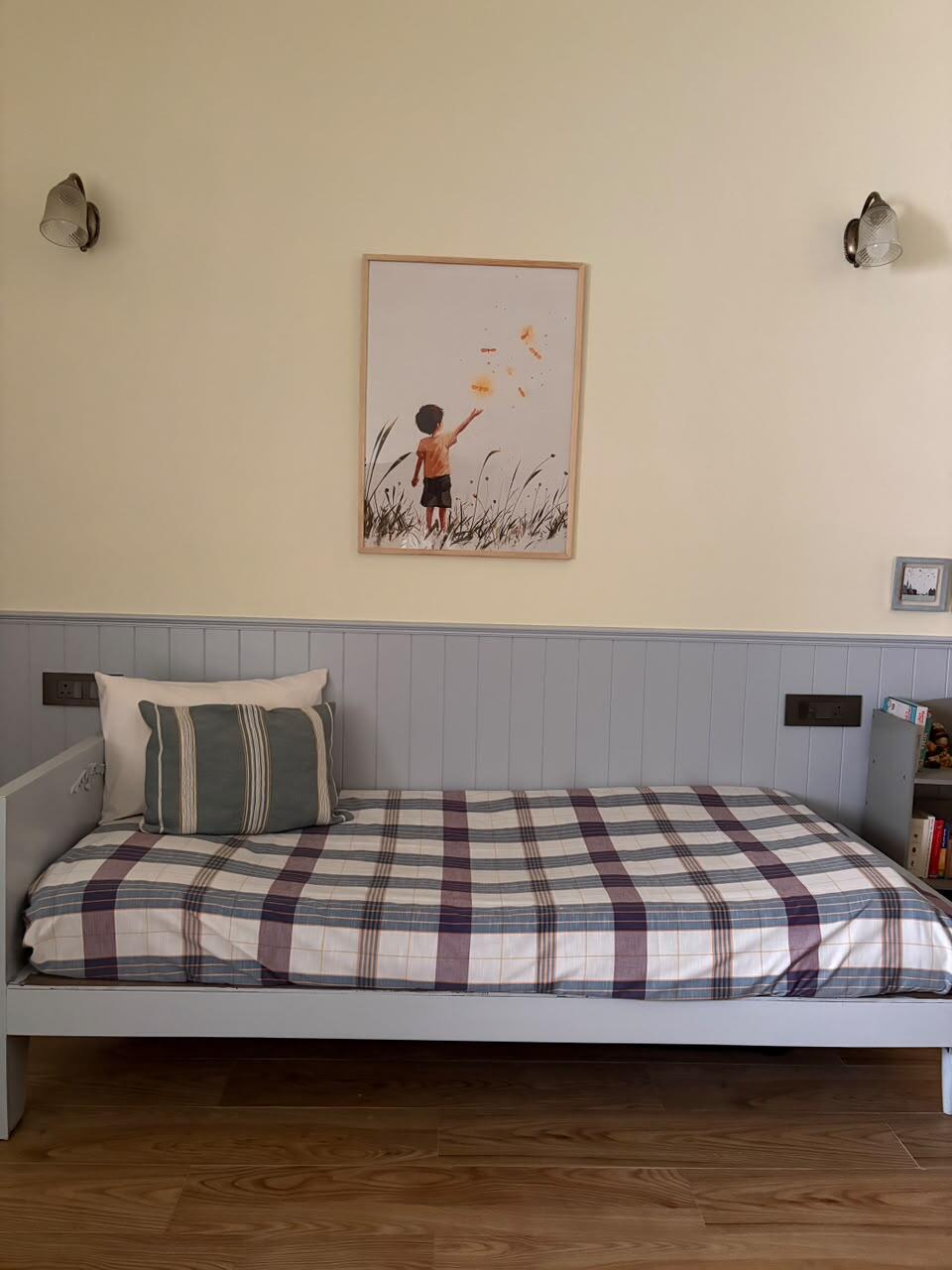
A large canvas above a sofa, bed, or console can act as the room's main focal point. Its scale and texture may help create a more substantial presentation, particularly in spaces with carefully selected furniture and finishes.
For Artwork You Plan to Keep
If a painting has personal meaning or forms an important part of your home's decor, investing in a suitable canvas and finish may make sense.
For Offices, Hotels, and Reception Areas
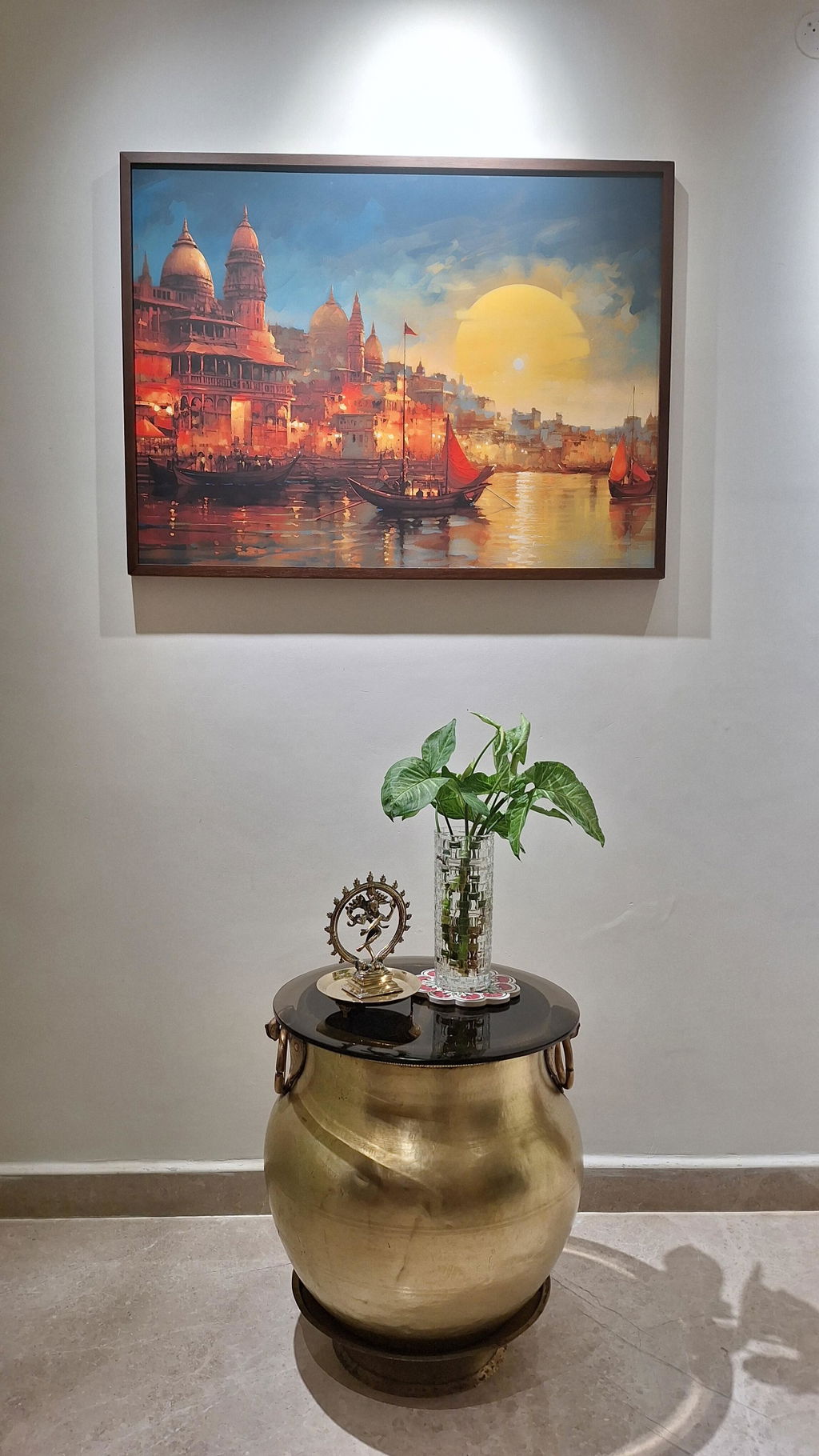
In spaces where presentation matters, canvas artwork may provide the look you want. For commercial environments, consider the complete cost, including framing, installation, cleaning, and any requirements specific to the space.
When You Prefer a Finished Display
Some canvas prints arrive stretched and ready to hang, depending on the product. If you prefer this presentation, compare it with the combined cost of a poster, frame, and mounting.
Remember that a premium paper print in a good frame can also look sophisticated. Canvas is worth the extra cost only when its materials, finish, and appearance offer meaningful value to you.
How to Choose the Right Wall Art for Your Budget
Before buying, ask yourself four questions:
1. How long will I keep it? If you expect to move or change your decor soon, a poster may be enough. If the artwork is intended to stay for years, compare higher-quality options.
2. Where will I display it? Consider the wall size, lighting, moisture, and how frequently the artwork may be handled.
3. What finish do I prefer? Choose between the smooth appearance of paper and the textured presentation of canvas. Look at framing and mounting options, too.
4. What does the price include? Compare the artwork size, print quality, material, frame, delivery, and installation requirements. A lower-priced unframed poster is not always directly comparable to a framed or stretched canvas.
The goal is to compare products on equal terms rather than choosing based on price or the word "premium" alone.
Frequently Asked Questions
Is museum-grade canvas better than a regular poster?
Not in every situation. Canvas can provide a textured surface and a substantial presentation, while a poster is usually more affordable and easier to replace. Print quality and longevity depend on the materials, inks, construction, and display conditions.
Are canvas prints worth the extra money?
Canvas prints may be worth the extra cost if you want a long-term display piece, prefer a textured finish, or want a stretched presentation. If affordability and flexibility matter most, a poster may offer better value.
Does museum-grade canvas fade?
Canvas prints can fade, particularly when exposed to prolonged direct sunlight or when made with less stable inks and materials. Ask the seller for verified information about ink type, lightfastness, and care recommendations.
How long does a canvas print last?
There is no single lifespan that applies to every canvas print. Longevity depends on the canvas, inks, printing process, protective treatment, lighting, humidity, and care. Be cautious of exact lifespan claims that are not supported by product-specific evidence.
Is a poster good enough for home decor?
Absolutely. A well-chosen poster can look excellent in a bedroom, rental home, study, or living room. The right image, suitable size, and thoughtful framing can make a paper print an attractive part of your interior.
Can a poster look as good as canvas?
Yes. High-quality paper prints can reproduce fine details and colour very well. Whether a poster or canvas looks better depends on the image, print quality, presentation, and personal preference.
Which is better for a living room: canvas or poster?
Both can work. A large canvas may suit someone looking for a textured statement piece, while a framed poster can offer a refined look at a lower cost. Choose according to your room, budget, and preferred style.
What should I check before buying museum-grade canvas online?
Check the canvas material, printing process, ink type, available sizes, framing or stretching details, care instructions, and return policy. If the seller uses terms such as "archival" or "museum-grade," look for supporting specifications.
Final Verdict: Is Museum-Grade Canvas Worth It?
The difference between museum-grade canvas and a regular poster comes down to more than price. Material, print quality, presentation, intended use, and care all affect the value of the finished artwork.
Choose a poster if you need affordable decor, live in temporary accommodation, or enjoy changing your walls frequently. Consider canvas if you want a textured finish and a more substantial piece for a long-term interior, provided the product specifications justify the price.
At TravelArty, canvas artwork is worth exploring when you want a painting to become a lasting part of your living room, bedroom, or office. Compare the available artwork, sizes, finishes, and product details to find a piece that suits your space and budget.
The best wall art is not necessarily the most expensive. It is the piece you love, can afford, and will enjoy living with.
You can also read;
Best wall art for small living rooms
What is the most popular wall art in 2026?
Nature wall art for living room